Write a visual brief the team can act on
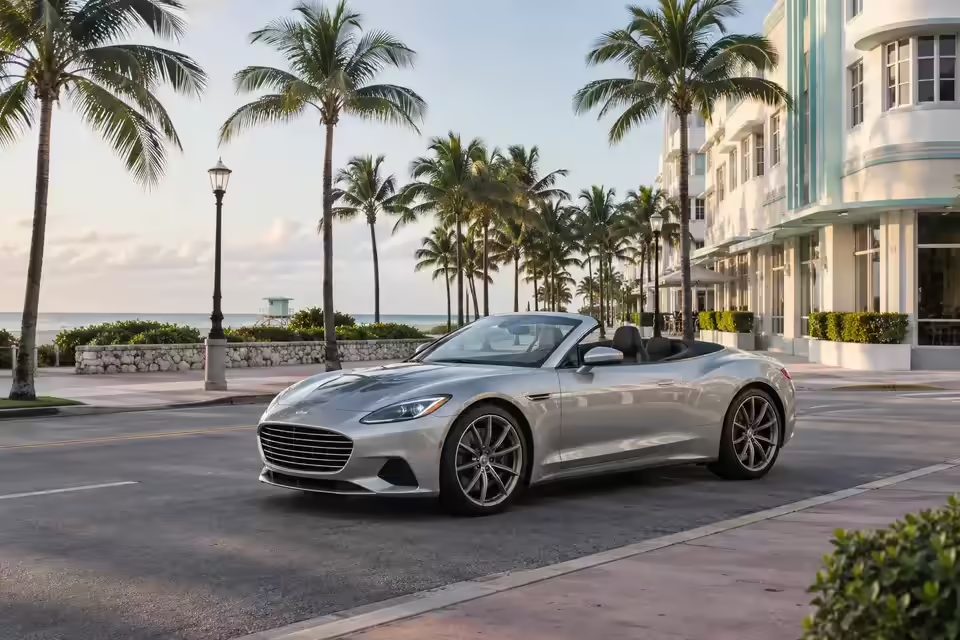
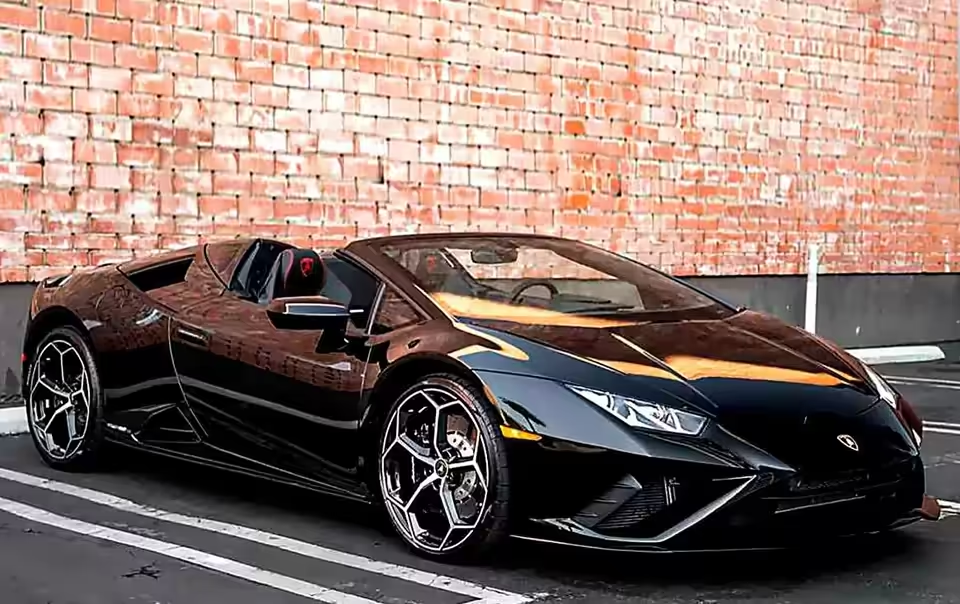
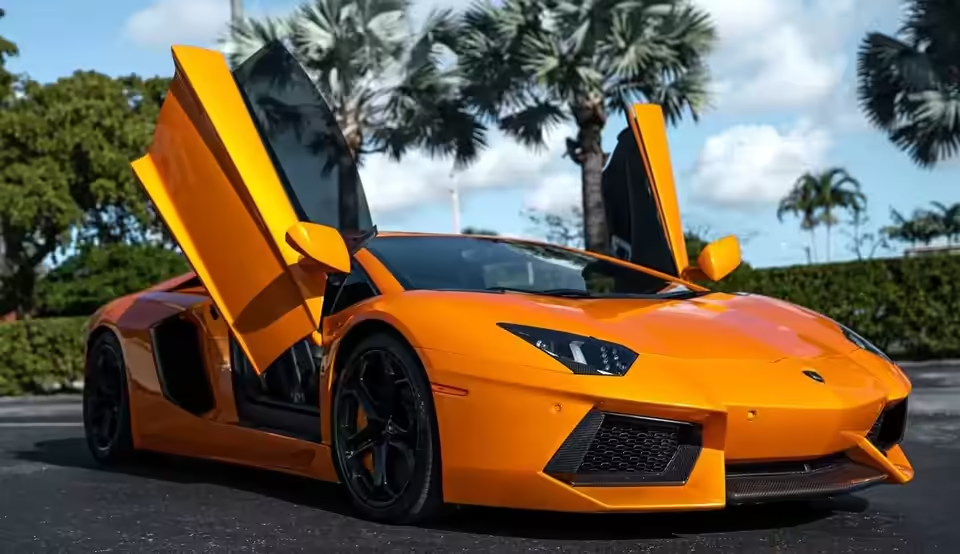
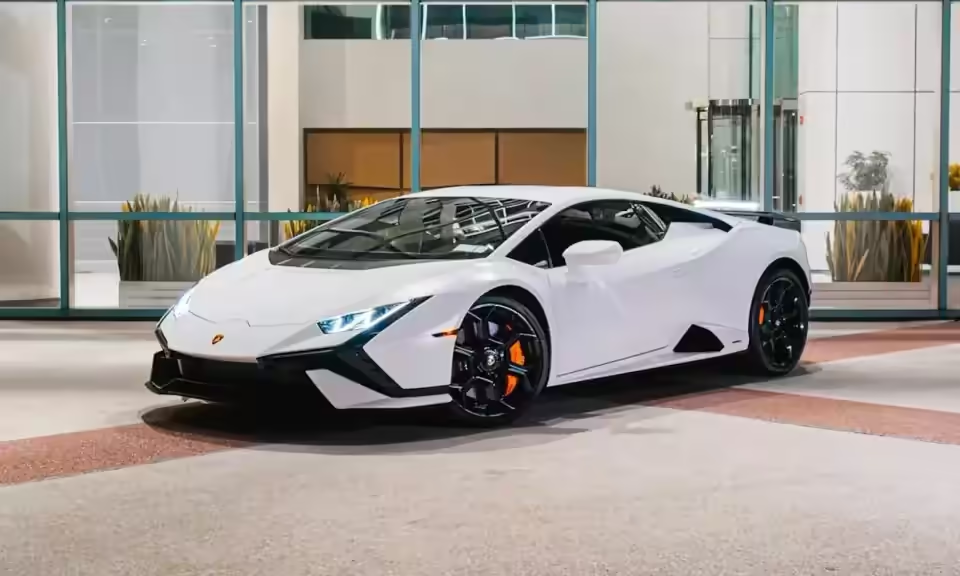
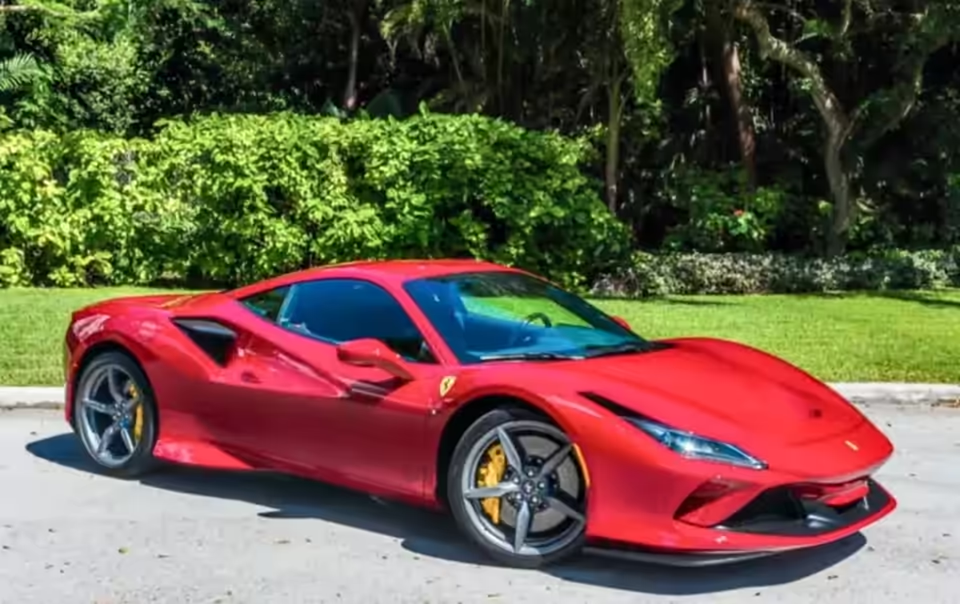
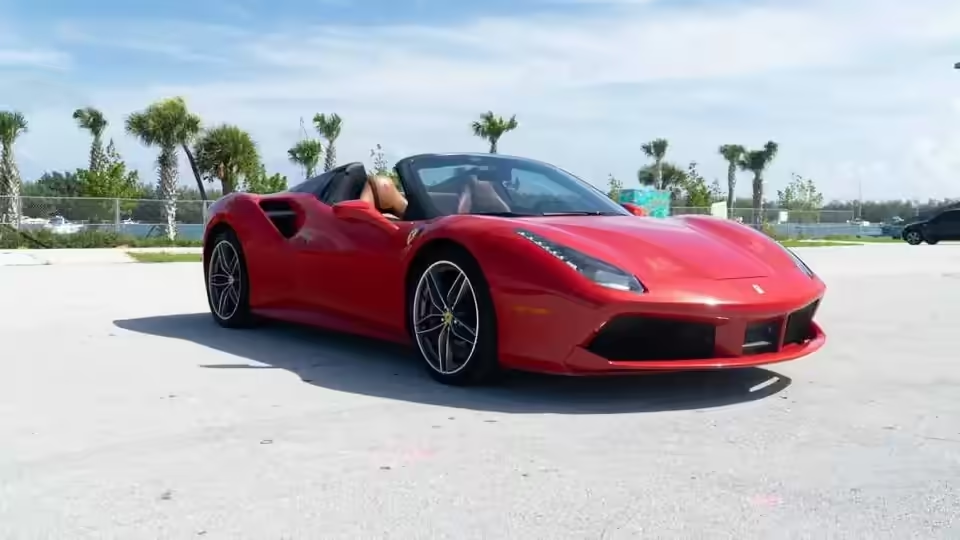
Share the preferred model, colour direction and whether the roof should be open or closed. Explain if the car is a background element, the main subject or part of a moving sequence. References can communicate the intended look, but the offered vehicle and configuration still need confirmation. If a precise detail is essential, identify it before the team checks alternatives.
Plan location, timing and vehicle access
Send the shoot address, load-in window, expected duration and an on-site production contact. Ask the location about access and permission for the proposed vehicle use. Private property, public streets, hotels and studios can involve different arrangements. Consider turning space, ramps, lighting equipment and whether the vehicle can remain safely parked between setups without disrupting the location.
Agree the scope before the shoot
A normal rental is not automatic permission for commercial filming, stunts, track use or modifications. Describe the production honestly and obtain written approval for the actual use. Confirm drivers, mileage, delivery, collection and the full quote. Keep food, props and equipment plans aligned with the agreed care requirements so the car remains part of a smooth production rather than an avoidable interruption.